Showing posts with label Anantharaju Vaddiraju. Show all posts

Wednesday, December 24, 2025

Gandhari Khilla – The Forgotten Fort of Vadderajulu (Vaddiraju / Vadiyarajulu) Legacy

Introduction

Gandhari Khilla is one of Telangana’s most underrated yet historically rich forts. Hidden amidst dense forests and sandstone hills, this ancient stronghold stands as powerful evidence of tribal governance, Kakatiya-era architecture, and later the rule of the Vadderajulu (Vaddiraju / Vadiyarajulu).
The inscriptions, sculptures, and Vaishnava symbols found here strongly connect the fort to King Anantharaju Vaddiraju, a prominent ruler of the Vadderajulu dynasty.


గంధారి ఖిల్లా – వడ్డెరాజుల (వడ్డిరాజు / వడియారాజులు) మహిమ
గంధారి ఖిల్లా తెలంగాణ రాష్ట్రం మంఛేరియల్ జిల్లా మండమర్రి మండలంలోని బొక్కలగుట్ట సమీపంలో ఉన్న ఒక ప్రాచీన కోట. ఈ ఖిల్లా వడ్డెరాజుల వంశానికి చెందిన రాజు అనంతరాజు వడ్డిరాజు పరిపాలనకు సజీవ సాక్ష్యం.
ఈ కోటలో లభించిన శాసనాలలో
“శ్రీ ఒడ్డిరాజు అనంతరాజు శాసనం” అనే పదాలు స్పష్టంగా కనిపిస్తాయి.
ముఖ్య లక్షణాలు:
శంఖు, చక్రాలతో కూడిన వైష్ణవ శిల్పాలు
కాకతీయ శైలి ద్వారాలు, స్తంభాలు
వడ్డెరాజుల వైష్ణవ మతానుసరణకు ఆధారాలు
గంధారి ఖిల్లా వడ్డెరాజుల రాజకీయ, మత, సాంస్కృతిక శక్తిని ప్రతిబింబించే అద్భుత చారిత్రక స్థలం.

Gandhari Khilla Location

Gandhari Khilla is located near Bokkalagutta, in Mandamarri Mandal, Mancherial District, Telangana.

Key location highlights:

  • Around 270 km northeast of Hyderabad
  • Situated on sandstone rock hills
  • Surrounded by thick forest cover rich in medicinal plants
  • Mancherial – Bellampalli Highway passes close by (approx. 3 km)

This strategic location made Gandhari Khilla a natural fortress and an important administrative center in medieval Telangana.


Historical Background of Gandhari Khilla

The fort was originally constructed in the 12th century by the Gond tribes, with architectural support influenced by the Kakatiya school of design.

Kakatiya dynasty contributions are visible in:

  • Stone pillars
  • Gateways (Thoranams)
  • Sculptural layout

However, the religious identity of the fort is distinctly Vaishnava, clearly visible through the Shanku (Conch) and Chakra (Discus) carved beside the sculptures—an important clue that the later rulers were Vaishnavites, not Shaivites.


Rise of Vadderajulu Rule

The most significant phase of Gandhari Khilla begins with the rise of the Vadderajulu (also known as Vaddiraju / Vadiyarajulu).

King Anantharaju Vaddiraju

Anantharaju Vaddiraju was the most prominent ruler associated with Gandhari Khilla.

Epigraphical Evidence:

  • Inscriptions clearly mention “Shree Oddi Raju Anantha Raju Shasanam”
  • The term “Oddi Raju” is historically associated with Vadderajulu
  • These inscriptions confirm political control and administration by the Vadderajulu dynasty

Under King Anantharaju:

  • Gandhari Khilla became a Vaishnava religious center
  • Administrative control shifted from tribal governance to dynastic rule
  • Temple culture, inscriptions, and rituals were institutionalized

Vadderajulu (Vaddiraju / Vadiyarajulu) Identity

The Vadderajulu were:

  • Vaishnavite rulers
  • Patrons of temples and inscriptions
  • Administrators who integrated tribal regions into structured kingdoms

The Gandhari Khilla evidence strongly establishes that:

Vadderajulu were not mere local chieftains but powerful regional rulers with religious, military, and administrative authority.


Religious & Cultural Importance

Gandhari Maisamma Jatara

  • Conducted once every two years
  • Attracts tribal communities from Telangana, Maharashtra, and Chhattisgarh

Mahankali Jatara (Quarry Jatara)

  • Celebrated annually
  • Draws more than 10,000 devotees

These festivals show the continuity of sacred traditions from ancient to present times.


Later Political Control

After the Vadderajulu period, Gandhari Khilla came under the control of:

  • Qutb Shahi Sultanate (1518–1687)
  • Administratively linked to Golconda

Despite later Islamic rule, Vaishnava symbols and inscriptions were never erased, proving the deep-rooted influence of Vadderajulu governance.


Rock Carvings & Inscriptions

The fort walls display:

  • Ancient scripts engraved directly on sandstone
  • Decorative spiral motifs
  • Clear ruler names and royal declarations

These inscriptions are critical historical sources that validate:

  • Vadderajulu political authority
  • Anantharaju’s sovereignty
  • The Vaishnava identity of the fort

Why Gandhari Khilla Matters Today

  • It is a living proof of Vadderajulu (Vadiyarajulu) history
  • One of the few forts linking tribal rule, Kakatiya art, and Vaishnava dynasties
  • A neglected heritage site that deserves ASI-level protection
  • Essential for understanding regional Telugu dynasties beyond textbooks

Conclusion

Gandhari Khilla is not just a fort—it is a historical declaration of the Vadderajulu legacy.
The inscriptions of King Anantharaju Vaddiraju, Vaishnava symbols, and administrative records firmly establish Gandhari Khilla as a Vadderajulu stronghold.

Preserving and promoting Gandhari Khilla is essential to restoring the rightful place of Vadderajulu / Vaddiraju / Vadiyarajulu in Telangana and South Indian history.


King Annatharaju vadderajulu/vadiyarajulu/Odde rajulu inscriptions 

History of Gandhari khila


Monday, September 1, 2025

ఓడ్ర దేశం (ఒరిస్సా) పరిపాలించిన ఓడ్ర రాజులు ఒడ్డె రాజులు లేదా వడ్డె రాజులు లేదా వడ్డి రాజులు లేదా వడియ రాజులు.

ఓడ్ర దేశం (ఒరిస్సా) పరిపాలించిన ఓడ్ర రాజులు ఒడ్డె రాజులు లేదా వడ్డె రాజులు లేదా వడ్డి రాజులు లేదా వడియ రాజులు.


ఓడ్ర దేశం పరిపాలించిన గొప్ప రాజులలో ఒకరు "ఖారవేలుడు రాజు".
ఖారవేళ రాజు అతను ఒడ్డవిశయం మరియు హధిగంప అను గ్రంథాలలో తను ఓడ్ర దేశం పరిపాలించిన 'ఒడ్డె రాజు' (ఓడ్ర రాజు) అని గ్రంథాల్లో చెప్పబడి ఉంది.

చేది వంశస్థులలో ప్రముఖుడు ఖారవేలుడు. హాతిగుంఫా శాసనం వల్ల ఇతడు చరిత్రలో ప్రసిద్ధిచెందినాడు. 24 సం.ల వయస్సులోనే ఇతడు కళింగ రాజ్యాధినేత అయ్యాడు.

""వడియ రాజులు""
శాతవాహనుల కాలంనాటి భాషా చారిత్రక
విషయాలు, ఈ రాజులకు ఉత్తరాన మగధ రాజులతోను, తూర్పున
ఓడ్ర రాజుల (ఖరావేలుడు) తోను గల సంబంధాలు.
ప్రాచీన కాలంలో కణ్వ బృహస్పతి హేమచంద్ర పుష్పదంత
రావణ కవిభల్లట సోమచంద్రాగస్త్యాదులు తెలుగు వ్యాకరణాలు రచించినట్లు ప్రతీతి.
వీటిలో కొన్ని సంస్కృతంలోను, కొన్ని తెలుగు పద్యాలలో
ఉన్నాయని, కొన్నిటికి పేర్లు తప్ప వాటిని గూర్చి వివరాలు
తెలియవని వినికిడి. ఈ వ్యాకరణాల మీద ఒక సమగ్ర పరిశోధనను చేపట్టాలి.

కళింగులు నేటి ఉత్తరాంధ్ర, ఒరిస్సా
ప్రాంతాలను పాలించిన రాజులు. కొన్ని చోట్ల ఆంధ్ర, కళింగ శబ్దాలు ఒకదానికొకటి కూడా
వాడబడ్డాయి. మౌర్య చక్రవర్తి అయిన అశోకుని కళింగ యుద్ధం క్రీ.పూ.255లో జరిగింది. అది భారతదేశ చరిత్రలో ఒక ప్రధాన ఘట్టము. తరువాత అశోకుడు యుద్ధ
మార్గాన్ని విడచి ధర్మాన్ని, శాంతిని ప్రధాన పాలనా విధానాలుగా చేకొన్నాడు.
అశోకుని సామ్రాజ్యం క్షీణించిన తరువాత క్రీ.శ. 183లో ఖారవేలుడు కళింగ
రాజయ్యాడు. మౌర్య సామ్రాజ్యంపై
తిరుగుబాటు చేసిన మొదటి స్వతంత్ర కళింగ రాజు ఇతడు. పాటలీపుత్రాన్ని పాలిస్తున్న
పుష్యమిత్రుని ఓడించి మౌర్య
రాజులు అంతకుముందు తీసుకువెళ్ళిన జైన విగ్రహాలను తిరిగి కళింగ రాజ్యానికి తీసుకొచ్చాడు. ఖారవేలుడు జైన మతస్థుడు.
వతషభ లాంఛనుడు. ఇతని రాజధాని
ప్రస్తుతం శ్రీకాకుళం జిల్లా పర్లాకిమిడి వద్దనున్న ముఖలింగం . ఖారవేలునికి సమకాలీనుడు ఆంధ్రదేశంలో
శాతవాహన రాజు శాతకర్ణి. వారికి మధ్య పెద్ద యుద్ధం జరిగింది. ఆ యుద్ధంలో
పిథుండ నగరాన్ని ఖారవేలుడు నాశనం చేశాడని హథీగుంఫ శాసనం (క్రీ.పూ. 183) ద్వారా తెలుస్తుంది. అయితే ఆ యుద్ధంలో ఖారవేలుడు విజయం సాధించాడని చెప్పలేము - "శాతకర్ణిని
లక్ష్యం చేయక ఖారవేలుని
సైన్యాలు కణ్ణబెణ్ణానది (కృష్ణానది)
వరకు పురోగమించి ముషికనగరాన్ని
హడలుకొట్టినాయట." ఏమయినా
తరచూ కళింగుల మధ్య, శాతవాహనుల
మధ్య జరిగిన యుద్ధాలవల్ల
తీరాంధ్రప్రాంతం కొంత కళింగుల
వశమయ్యింది. ఆంధ్రులకు చాలా
నష్టం జరిగింది. పిథుండ నగగరం బహుశా
"ప్రతిపాలపురం" లేదా భట్టిప్రోలు అయ్యి ఉండవచ్చును. ఖారవేలుడు సర్వ రాష్ట్రిక, భోజక ప్రభువులను ఓడించాడు. అంగ వంగ
దేశాలనుండి రత్నాలు తెచ్చాడు.
ఖారవేలుడు యుద్ధవీరుడే కాక ఎంతో
సమర్ధత గల రాజు. పౌర జానపదులకు అనేక సౌకర్యాలు కలిగించాడు.
అంతకు పూర్వం మగధ రాజులు వేయించిన కాలువలు పూడిపోగా ఖారవేలుడు వాటిని తిరిగి
మరమ్మతు చేయించాడు. రాజధానికి
నీటివసతి కల్పించాడు. జైనానికి ఇతోధికంగా ప్రోత్సాహం కలిగించాడు. 164 జైనమత గ్రంధాలను పునరుద్ధరించాడు. తుఫానులవలన
పడిపోయిన గోపుర ప్రాకారాలను బాగుచేయించాడు. 35 లక్షల
ప్రజలు అతని రాజ్యంలో ఉండేవారు.

Vadde Raju (Vadiya Rajulu) – History, Origin, and Legacy of Gajapati Kings

Discover the rich history of Vadde Raju (Vaddera / Vadiya Rajulu / Odde) – descendants of the Eastern Ganga Dynasty and Gajapati kings who built the Konark Sun Temple and Jagannath Puri. Learn about their origin, contributions, traditions, and present status.

Introduction

The Vadde Raju caste, also known as Vadiya Rajulu, Vaddera, Vadde, or Odde, is an ancient warrior and engineering community with roots tracing back to the Eastern Ganga Dynasty and the Gajapati Kingdom of Odisha. They were among the first rulers in Indian history to use elephants in warfare, earning the title Gajapati Kings. Today, they are widely recognized for their historical, cultural, and architectural contributions.


Origin and Ancestry

The Vadde Raju community claims descent from legendary rulers and dynasties, including:

  • King Sagara

  • King Bhagiratha (who brought the Ganga to Earth)

  • Raghu Dynasty

  • Kharavela, the famous Kalinga emperor

  • Ganapati Deva (Kakatiya ruler)

  • Purushottama Deva

  • Narasimha Deva I, who built the Konark Sun Temple

  • Anantavarman Chodaganga, who constructed the Jagannath Puri Temple

The dynasty played a significant role in shaping the culture of Odisha and North Andhra Pradesh.


The Gajapati Kings and Their Legacy

  • The Gajapati rulers were the first in India to use elephants in wars, which earned them the name Gajapati (meaning “Lord of Elephants”).

  • The Vadde kings were not only warriors but also civil engineers who designed and constructed grand temples, forts, and monuments.

  • They built architectural marvels such as:

    • Jagannath Puri Temple

    • Konark Sun Temple


Rule in North Andhra

Until the 16th century, North Andhra (Srikakulam, Vizianagaram regions) was ruled by the Vadiya Rajulu (descendants of Gajapati kings).
However, they lost political control after being defeated by the Pusapati Kings of Vizianagaram in the Battle of Nandapur. From then on, the Gajapati title passed to the Pusapati rulers.


Caste Status and Social Transition

  • In the early years of Independent India, the Vadde Rajulu caste was classified under OC (Forward Castes) in Andhra Pradesh.

    • AP Govt Records: Sl.No. 673, caste code 1467, caste name Vadde Rajulu.

  • Later, due to economic decline and loss of royal patronage, they were moved into the Backward Classes (BC) category.

  • After losing their kingdoms, many families were forced into occupations like stone cutting, which is seen as a curse in community folklore.


Religious and Cultural Traditions

One of the unique traditions preserved by the community is in Rayachoti (Kadapa District) at the Sri Veerabhadreswara Swamy Temple:

  • During the temple festival, prasadam is first touched by the descendants of Vadde Kings before being distributed to devotees.

  • This honors their role in protecting the temple from Islamic invaders centuries ago.


Alternate Names of the Community

The community is known by different names across regions:

  • Vadde Raju

  • Vadiya Rajulu

  • Vaddera

  • Vaddi

  • Odde (Odiya Rajulu)


Why are they called Civil Engineers?

  • The Vadde kings were not just warriors; they were master builders of temples, forts, tanks, and stone structures.

  • Their engineering expertise is visible in Jagannath Temple and Konark Sun Temple, two of India’s greatest architectural wonders.


Present-Day Status

Today, the community is spread across Andhra Pradesh, Telangana, and Odisha, primarily engaged in construction-related work due to their historical link with stone masonry.
However, modern members of the community are now entering education, politics, and business sectors.


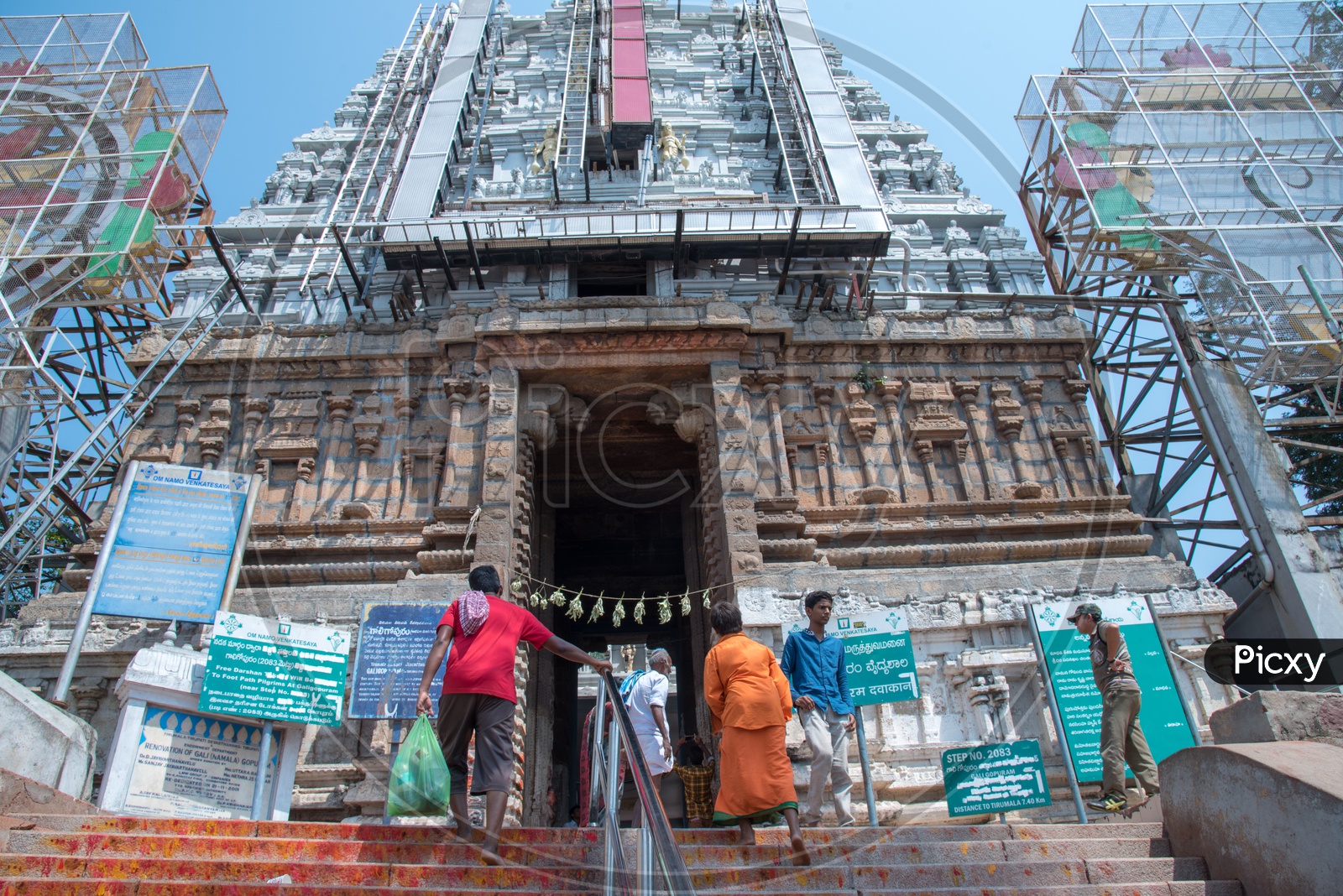
తిరుమల అగ్ర గోపురం (గాలి గోపురం) – వడ్డెరాజులు వంశానికి చెందిన అనంత రాజు నిర్మాణం

  తిరుమల అగ్ర గోపురం (గాలి గోపురం) – వడ్డెరాజులు వంశానికి చెందిన అనంత రాజు నిర్మాణం పరిచయం తిరుమల పవిత్ర క్షేత్రంలో, అలిపిరి మార్గం నుండి లె...